The DNA of Growth: Swarnam's Journey from Registers to ERPNext
For many MSMEs, growth begins with manual registers, then moves to accounting software like Tally, followed by advanced ERP systems as complexity increases. Swarnam Group followed the same path—but wh
In every enterprise, every growing organisation has a unique DNA of growth. It is usually a combination of quality products, strong leadership, clear processes, and timely adoption of technology. This case study highlights how Swarnam Group, a long-standing FMCG manufacturer from Kerala, modernised their operations with ERPNext implemented by Wahni, and how this transformation helped them scale faster and more efficiently.
About Swarnam Group
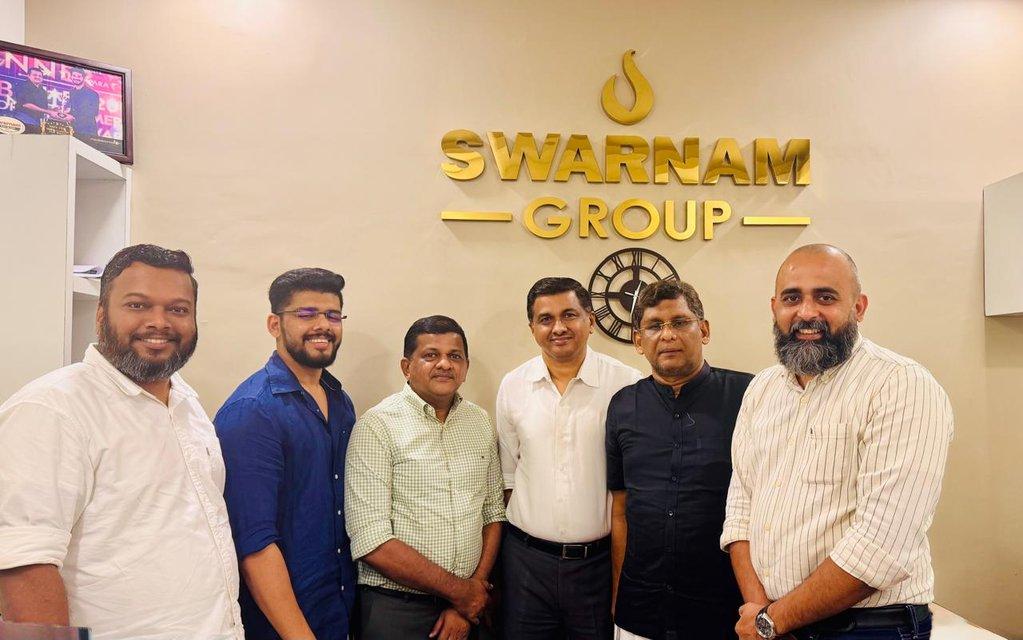
Swarnam Group started its operations in 1952 and is now managed by the third generation of the family. They are well known for edible oils, packaged foods, and household cleaning products. Their manufacturing facilities use high-end machines and maintain strict quality controls throughout the production process.
Wahni implemented ERPNext for Swarnam in April 2023, and since then we have been providing continuous AMC and enhancement support.
Understanding Their Growth DNA
During two years of association, we observed the key reasons behind Swarnam’s growth.
The second generation played a major role in expanding the company. Each partner handled clear responsibilities and established early systems to monitor sales and operations. They were also quick to adopt digital tools whenever required.
Their technology journey shows the same approach. They started with manual registers, moved to Tally in the 1990s, and later adopted SAP. They digitised their sales operations using Excel and a separate mobile app. They also set up vehicle route optimisation and systems to track primary and secondary sales.
This early openness to technology laid a solid foundation for the next stage of digital transformation.
Why Swarnam Shifted from SAP to ERPNext
Although SAP was being used for billing and operation-related activities, it did not fully meet the organisation’s needs. The company still depended on multiple tools: SAP for invoicing, Tally for accounting, a separate mobile app for sales, and another system for HR and payroll. This resulted in manual data entry, duplication of information, and difficulty in consolidating reports.
Increasing licensing costs and limited user access created further difficulties. Only a certain number of users could log in at a time, which caused delays in day-to-day transactions.
Through a family friend in the UAE, Swarnam learned about ERPNext. The management trusted Wahni to implement ERPNext and also build an integrated mobile app on top of it.
Key Solutions Implemented by Wahni
Wahni customized ERPNext to suit Swarnam’s FMCG operations. Some of the major solutions included:
- Integrated DISA Mobile app ( Field Sales Management Software ) for primary and secondary sales.
- Credit management features.
- Primary and secondary schemes built into the system
- Vehicle management and load optimisation based on volume and weight.
- Management-focused reporting dashboards.
- Pick list and delivery management.
- Multi-UOM handling for pieces, boxes, packs, and schemes.
- Unlimited user access so that all departments can work simultaneously.
- Real-time sales reporting for field staff through the DISA app.
Benefits Achieved by Swarnam Group
ERPNext brought all departments under a single system, replacing SAP, Tally, Excel sheets, and the previous sales app. This eliminated duplicate data entry, reduced errors, and improved coordination across the organisation. Management now has real-time visibility into product movement, inventory levels, sales performance, and credit exposure, enabling faster and more confident decision-making.
The implementation marked a major digital shift for Swarnam Group. Over the past few years, they have achieved higher operational efficiency, quicker order fulfilment, and seamless collaboration between manufacturing, sales, and finance teams. Launching new product lines, such as packaged foods, has become significantly easier, as ERPNext allows rapid configuration and faster rollout with Wahni’s support.
Vehicle dispatch and route optimisation also improved, ensuring better utilisation of fleet capacity. Salespeople were empowered through the integrated mobile app, enabling them to place orders instantly from the field and access their real-time sales performance.
This successful transformation strengthened Wahni IT Solutions’ expertise in FMCG implementations and laid the foundation for future innovation. Swarnam continues to collaborate with Wahni to introduce advanced features, analytics tools, and process enhancements as the group expands into new product categories and markets.
Role of the Project Champion in ERPNext Implementation
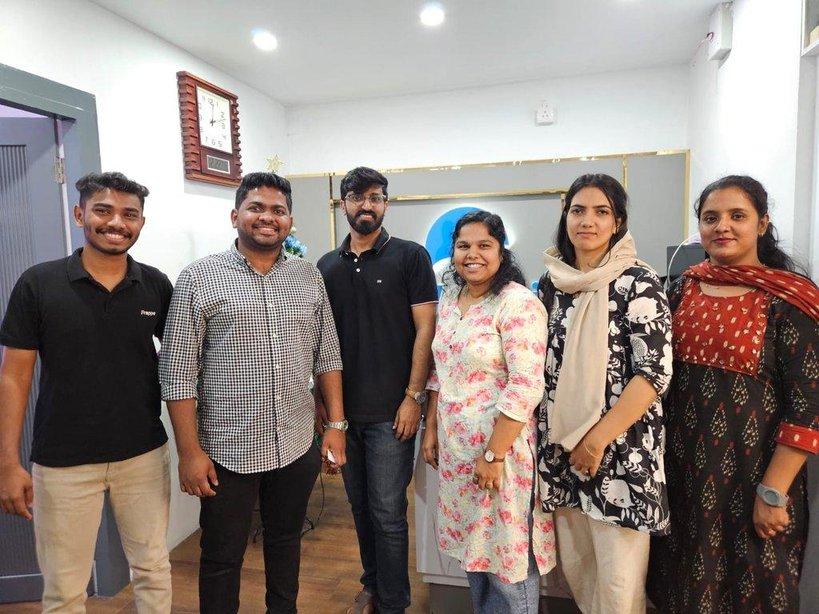
According to ERPNext implementation guidelines, having a strong Project Champion from the client’s side is essential for a successful rollout. The work delivered by Wahni would not have achieved its intended results without active participation and ownership from Swarnam Group.
In Swarnam’s case, members of the third generation—Mr. Hisham and Mr. Aftab—played a pivotal role throughout the implementation. Educated at leading universities in the UK, Mr. Hisham acted as the primary coordinator for the project. He worked closely with our team to refine item masters, streamline internal documentation, and ensure timely collaboration from all departments. He also pushed internal teams to validate every stage of the system and handled the crucial L1 support during the initial deployment period.
As the ERP matured, Mr. Aftab took over responsibility for ongoing enhancements, ensuring that the system continuously adapts to Swarnam’s growing needs. His involvement helps bridge operational requirements with technology improvements, enabling the company to evolve faster and maintain long-term system stability.
The contribution of these project champions was instrumental in making the ERPNext implementation smooth, disciplined, and successful.
Feedback from the Finance Team
During our discussions, the finance department shared two observations.
1) First, ERPNext books COGS instead of showing purchase cost directly in the accounts module, so they rely on a separate report to meet the auditor’s requirement.
- Wahni team response: ERPNext records the Cost of Goods Sold (COGS) automatically in the profit and loss statement instead of showing purchase costs. The system follows a perpetual inventory method, where the cost of goods is recognized during each sales transaction. This approach helps the management accurately track gross profit by invoice, product, or customer. However, for audit purposes, it would be helpful to have an additional report where purchases directly impact the Profit and Loss statement, and the system calculates COGS based on purchases and stock movement.
2)In the Profit and Loss accounts, after the year-end closing, even though the overall balance is zero, the previous year’s debit and credit closing balances still appear when viewing the current financial year’s statement, even though the impact is nil.
- Wahni team Response: This behavior is part of ERPNext’s default structure, and we are working to provide alternative reporting and print format options to meet the finance team’s requirements.
Conclusion: The DNA of Growth
Swarnam’s journey shows that growth comes from a clear combination of product quality, teamwork, technology adoption, and consistent monitoring of processes. ERPNext helped Swarnam move away from Tally, SAP, and spreadsheets, and today their entire operation runs on a unified digital platform. This gives them better visibility, control, and confidence to expand further.

No comments yet. Login to start a new discussion Start a new discussion